Enterprise Workflow Automation: Architecture, Governance, and Scalability
Modern organizations frequently operate across hundreds of specialized applications. Between CRM platforms, ERP systems, human capital management suites, and specialized cloud databases, valuable business data remains fragmented across siloed repositories. In this fractured environment, manual tasks become the default bridge between platforms: teams copy and paste transaction records, chase Slack approvals, and manually reconcile mismatched database rows.
This manual friction directly limits organizational throughput. According to research on enterprise process optimization, automating broken, unrefined processes only accelerates operational inefficiencies. To achieve sustainable efficiency, technology leaders need an enterprise workflow automation strategy—an architectural framework designed to orchestrate complex data flows, enforce governance, and maintain cross-system reliability.
Understanding Enterprise Workflow Automation
Enterprise workflow automation is the systematic deployment of software to coordinate, trigger, and resolve cross-functional processes without manual intervention. Unlike basic departmental automation tools that trigger simple, single-step tasks (such as sending a notification when a spreadsheet row updates), enterprise automation handles mission-critical operational processes across distributed services.
┌─────────────────┐       ┌──────────────────────┐       ┌─────────────────┐
│ Event Triggers  │ ----> │ Orchestration Engine │ ----> │ Enterprise App  │
│ (Webhooks, DBs) │       │ (SyncroFlow Rules)   │       │ (ERP, CRM, BI)  │
└─────────────────┘       └──────────────────────┘       └─────────────────┘
                                    │
                                    ▼
                          ┌────────────────────┐
                          │ Audit & Governance │
                          └────────────────────┘
These automated workflows orchestrate high-concurrency, asynchronous data exchanges while respecting business logic, access permissions, and system limits.
Core Differences: Task Automation vs. Enterprise Workflow Automation
| Capability | Task Automation (Point Solutions) | Enterprise Workflow Automation | | :--- | :--- | :--- | | Scope | Single user or department | Multi-department, global operations | | Concurrency | Low batch volumes | Tens of thousands of events per minute | | Error Recovery | Silent failure or basic email alerts | Automated retries, dead-letter queues, failovers | | State Handling | Stateless actions | Long-running workflows with state persistence | | Security | Basic OAuth / user-level tokens | RBAC, SOC 2, HIPAA compliance, audit logs |
The Core Pillars of Modern Automation Architecture
To build an automation layer that scales alongside transaction growth, IT architects must prioritize five architectural pillars.
1. Robust Integration and Schema Normalization
Point-to-point API connections quickly degrade into fragile technical debt. An enterprise automation platform acts as an abstraction layer. It standardizes payloads from legacy mainframes, GraphQL endpoints, and REST APIs into consistent schemas before routing them downstream. This ensures that a schema change in your CRM does not silently break fulfillment workflows in your ERP.
2. State-Driven Orchestration
Real-world business logic rarely resolves in milliseconds. A procurement workflow, for instance, might require an initial vendor check, wait forty-eight hours for an executive sign-off, verify inventory in an ERP, and finalize payments via a banking gateway. Enterprise automation engines maintain deterministic state over hours, days, or weeks without exhausting computing resources.
3. Fail-Safe Execution and Resiliency
When an external API returns a 503 Service Unavailable error, workflows must not fail silently. Resilient systems employ:
- Exponential backoff and jitter algorithms to retry operations without overwhelming downstream dependencies.
- Dead-letter queues (DLQs) to isolate unparseable payloads for inspection.
- Idempotency keys to guarantee that financial or transactional tasks are never executed more than once during network drops.
4. Centralized Observability
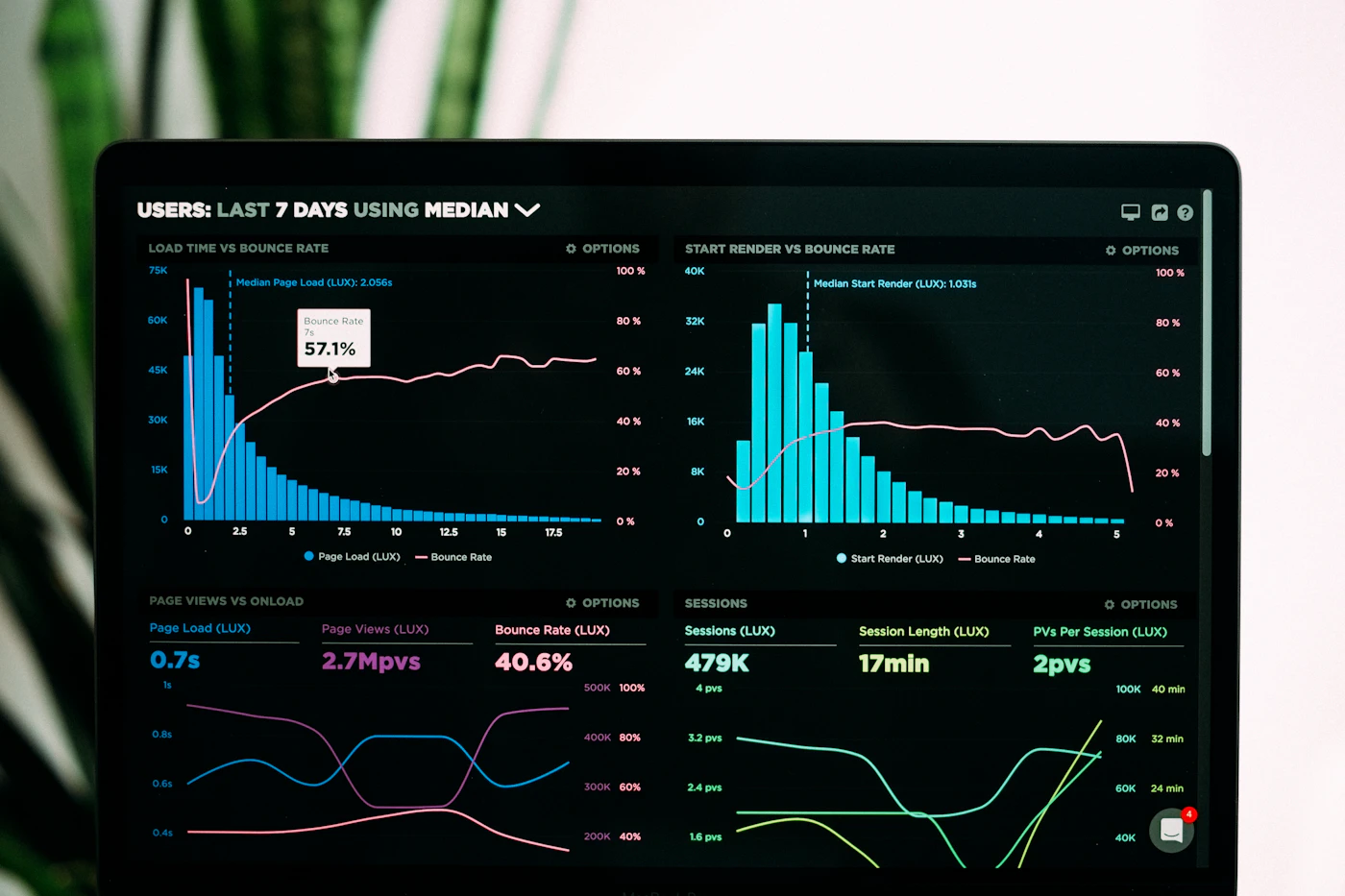
Enterprise leaders cannot optimize workflows they cannot measure. As emphasized in analysis on enterprise workflow management, comprehensive analytics dashboards and real-time execution logs are required to pinpoint performance bottlenecks, track processing times, and spot SLA breaches before operations stall.
5. Granular Governance and Access Control
Scalable automation demands that citizen developers across operations teams can build workflows without exposing production databases to security vulnerabilities. Modern platforms leverage role-based access control (RBAC), environment isolation (Dev, Staging, Production), and detailed audit logs tracking every state transition.
High-Impact Enterprise Use Cases
Deploying enterprise workflow automation yields the fastest return on investment in processes characterized by high data volume, multi-system dependencies, and low tolerance for error.
1. Procure-to-Pay (P2P)
- Manual Challenge: AP teams cross-reference purchase orders, inventory receipts, and vendor invoices manually across email threads and ERP screens.
- Automated Flow: SyncroFlow ingests digital invoices, runs automated three-way matching against warehouse receipts and PO tables, flags anomalies for human review, and routes approved records directly to payment queues.
2. Employee Lifecycle Orchestration
- Manual Challenge: Onboarding an enterprise employee demands synchronized provisioning across HRIS platforms, IT directories, single sign-on (SSO) configurations, and hardware logistics.
- Automated Flow: The moment a candidate signs their offer in the applicant tracking system, automated triggers provision domain identities, assign role-based cloud permissions, generate welcome documentation, and notify facility teams.
3. Quote-to-Cash (Q2C)
- Manual Challenge: Account executives close deals in the CRM, but sales engineers, billing teams, and legal must manually review contract addendums and configure customer tenant environments.
- Automated Flow: Triggered by a CRM pipeline status change, customer objects are synchronized with billing engines, provisioning webhooks deploy SaaS environments, and revenue recognition schedules populate financial ledgers instantly.
Evaluating Automation Platforms: Technical Checklist
When evaluating workflow platforms for enterprise environments, use this technical checklist to screen candidate tools:
- Execution Concurrency: Can the platform sustain sudden transaction spikes without dropped events or delayed triggers?
- Connector Ecosystem: Does it support enterprise-grade integrations (SAP, Salesforce, Workday, ServiceNow, Snowflake) alongside native webhooks? Organizations coordinating departmental work across these ecosystems often explore Monday.com on Impact to streamline project and workflow tracking.
- Low-Code vs. Code Flexibility: Can business users map logic visually while technical engineers deploy custom scripts (Python, TypeScript) inside the runtime?
- Data Residency & Compliance: Does the vendor support zero-retention data policies, on-premises deployment, or private cloud VPC peering to meet strict regulatory standards?
- Deployment Lifecycle Management: Can workflows be versioned through Git, tested in sandbox environments, and pushed to production via continuous delivery pipelines?
Frequently Asked Questions
What is the difference between RPA and enterprise workflow automation?
Robotic Process Automation (RPA) simulates human interaction at the user interface (UI) level—clicking buttons and copying text from legacy software screens. Enterprise workflow automation orchestrates systems at the API, database, and event layers. While RPA is useful for legacy software lacking modern interfaces, API-driven workflow automation is faster, significantly more stable, and resistant to UI changes.
Can workflow automation replace human decision-making?
No. Modern enterprise automation is designed to augment human work, not replace critical judgment. Platforms implement "human-in-the-loop" design patterns. Systems handle high-speed data validation, routine routing, and synchronization automatically, but pause execution and route complex exceptions, policy breaches, or high-value approvals to human operators.
How does workflow automation integrate with legacy infrastructure?
Enterprise workflow solutions connect with legacy tech stacks using hybrid integration runtimes, secure database connectors, message brokers (such as Kafka or RabbitMQ), and custom REST/SOAP wrappers. This enables teams to modernize operations without undertaking risky multi-year system migrations.
Building a Scalable Operational Foundation
Ad-hoc scripting and uncoordinated point-to-point integrations cannot support the pace of modern business operations. As systems proliferate, unchecked manual workflows stifle growth, introduce compliance risks, and drain engineering capacity.
Implementing structured enterprise workflow automation enables technical and operations leaders to transform complex operations into clean, reliable, and observable workflows. SyncroFlow provides the resilience, security, and orchestration tools required to unify your enterprise applications and scale your operational backbone.
Disclosure: This post may contain affiliate links, meaning we may earn a small commission at no extra cost to you if you make a purchase through our links.